
Inspect Affected Areas
Check visible growth and the moisture conditions around it.
Attics, crawlspaces and whole homes. We remove the mold and fix the moisture source so it does not come back.
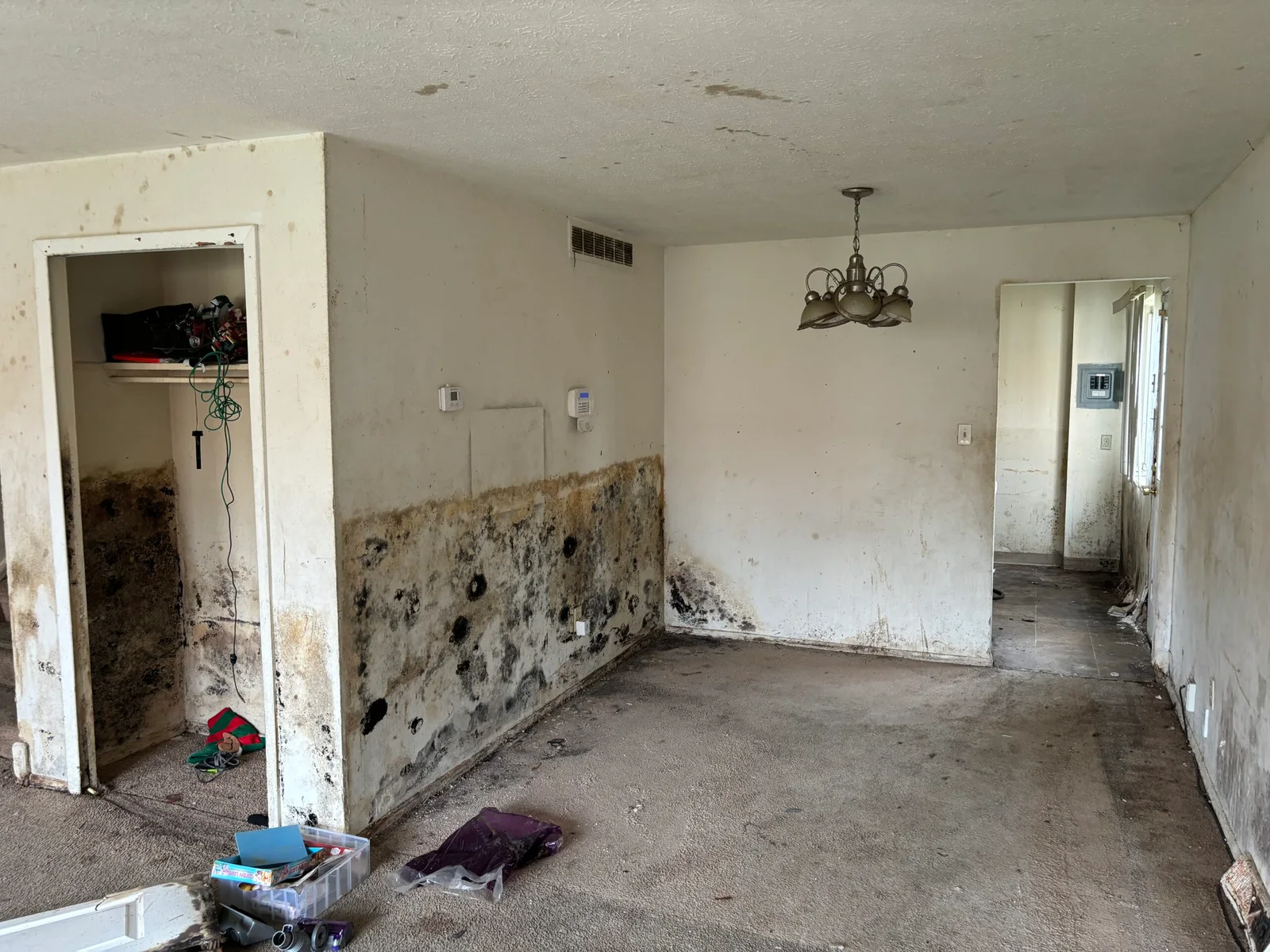
Mold is often linked to a leak, damp material or high indoor humidity.
Put safety first. Do not enter an area that may be unsafe.
Check visible growth and the moisture conditions around it.
Use containment and negative air to limit spread during removal.
Remove contaminated materials and clean salvageable contents.
Address the leak or moisture condition contributing to growth.
Use HEPA filtration, sanitizing and post-remediation checks as needed.
Review affected areas and look for the moisture source.
Isolate the area and set up filtration as needed.
Remove affected materials and clean salvageable surfaces.
Resolve the moisture source and review the completed work.
Area size, affected materials, how soon the moisture is found, severity, access, lab testing and emergency needs all shape the scope.
When comparing estimates, ask for:
See how claim assistance works, or call (208) 922-8741 before you file.
Restoration Pro serves the Treasure Valley and nearby Idaho communities.
Mold can affect attics, crawlspaces, bathrooms, cabinets, carpet, drywall, subfloors, plumbing areas and other damp materials.
Mold can trigger allergy symptoms, asthma attacks and sinus problems. Avoid disturbing suspected growth.
Removing visible mold alone does not stop recurring moisture. The plan includes attention to the source where possible.
The work may include containment, removal, contents cleaning, HEPA filtration, sanitizing and moisture-source repairs.
Area size, materials, how quickly it is found, severity, access, lab testing and emergency needs affect the scope. We explain the work in the estimate.
Mold can affect surfaces and materials hidden behind walls, under flooring, in attics and in crawlspaces. The assessment considers visible conditions and moisture. We explain the proposed containment, removal, cleaning and source correction before work begins. When comparing estimates, ask for a written scope, assessment findings and a line-item cost breakdown.
The inspection connects the visible damage with the work needed to address it. Photos, relevant moisture findings and a written scope help explain the proposed restoration. Keep those records with your insurance messages so you can refer to the same information when discussing the loss.
Your insurer determines coverage under the policy. Restoration Pro can document the affected materials, explain the cleanup and repair scope and communicate with your adjuster. If more damage is found, those findings can be documented for review. Do not enter an unsafe area to collect photos or belongings.