
Log Home Dry-Out
Dry water-damaged logs with calibrated systems and moisture checks.
Controlled dry-outs and log replacement for cabins and mountain homes, from the valley to Valley County.
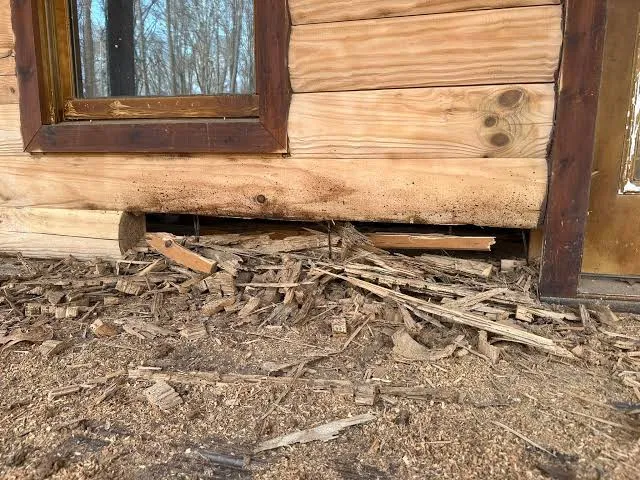
These conditions can be a reason to arrange an inspection.
Dry water-damaged logs with calibrated systems and moisture checks.
Address mold and moisture concerns in log homes and cabins.
Repair or replace affected logs, from individual sections to structural work.
Restore log homes after water, fire or storm damage.
Document findings and complete restoration finish work.
Check log cracks, chinking, notches and roof transitions for moisture.
Use moisture readings and thermal imaging to guide the scope.
Use controlled drying to reduce cracking, twisting and stress.
Replace or repair affected logs and complete finish work.
Log checking, chinking gaps and saddle notches can hide water. Roof transitions and settling points also need attention during an inspection. We use a log-specific assessment, moisture mapping and thermal imaging to understand which parts of the structure are affected before planning the dry-out.
Drying a log home is not the same as drying a conventional wall. Calibrated systems remove moisture gradually to help avoid cracking, twisting and stress in the logs. Moisture findings guide the work rather than relying on whether the outside of the wood looks dry.
The scope may include mold remediation, replacing a single damaged log or repairing a larger structural area. Full restoration is available after water, fire or storm damage. Inspection findings connect the dry-out to log replacement, structural repair and finish work, rather than treating each as an unrelated job.
Homeowners, adjusters and builders can use moisture logs, scope reports and condition photos to understand the work. Our founder's background is custom home building. We serve Valley County, including McCall, Cascade, Donnelly and New Meadows, as well as the Treasure Valley, for log home restoration and repair, from inspection through the finish work.
See how claim assistance works, or call (208) 922-8741 before you file.
Restoration Pro serves the Treasure Valley and nearby Idaho communities.
Logs can crack, twist or become stressed if dried too quickly. We use gradual drying based on the condition of the wood.
Check log cracks, chinking gaps, saddle notches, roof transitions and settling points for signs of moisture.
Yes. The repair plan may cover individual logs or larger structural repairs, based on the inspection.
We serve McCall, Cascade, Donnelly and New Meadows, as well as the Treasure Valley.
We can provide moisture logs, scope reports and photos, and communicate with homeowners, adjusters and builders.
Log construction creates places where water can travel out of view. A log-specific inspection checks the wood, joints and nearby transitions. Findings guide controlled drying, mold remediation, log replacement and finish work.
The inspection connects the visible damage with the work needed to address it. Photos, relevant moisture findings and a written scope help explain the proposed restoration. Keep those records with your insurance messages so you can refer to the same information when discussing the loss.
Your insurer determines coverage under the policy. Restoration Pro can document the affected materials, explain the cleanup and repair scope and communicate with your adjuster. If more damage is found, those findings can be documented for review. Do not enter an unsafe area to collect photos or belongings.