Home Inspectors vs. Mold Inspectors vs. Handymen vs. Restoration Companies: Who Idaho Homeowners Actually Need (2026 Guide)
By Restoration Pro · Published October 15, 2026 · 3 min read
When something goes wrong in a home, water damage, mold, strange odors, leaks, or structural concerns, homeowners often aren’t sure who to call first. Calling the wrong professional can lead to misdiagnosis, delays, unnecessary testing, and even denied insurance claims.
Idaho homes face unique challenges: crawlspace humidity, winter freeze‑thaw cycles, aging plumbing, and rapid weather swings. Because of this, it’s critical to understand the actual role each professional plays, and when each one is appropriate.
This guide breaks down the differences clearly and gives homeowners a simple decision path.
Home Inspectors, Broad Evaluations, Not Diagnostics
Home inspectors are generalists. Their job is to evaluate the overall condition of a home, not to diagnose or correct specific moisture or mold issues.
What Home Inspectors Actually Do
Home inspectors provide a high‑level overview of a home’s condition. They identify symptomsnot causes.
They look for:
- Moisture stains
- Ventilation issues
- Roof wear
- Crawlspace concerns
- Plumbing irregularities
- Electrical safety issues
Their reports help buyers and sellers understand the home’s general condition.
What Home Inspectors Cannot Do
Home inspectors are not equipped to:
- Determine the source of moisture
- Confirm mold growth
- Perform invasive inspections
- Remove damaged materials
- Provide insurance‑ready documentation
- Mitigate water or mold
They can flag concerns, but they cannot diagnose or correct them.
When Idaho Homeowners Should Call a Home Inspector
- Buying or selling a home
- Annual checkups
- Non‑emergency evaluations
When NOT to Call a Home Inspector
If you have active water damage, visible mold, sewage, or structural moisture, a home inspector will only delay the correct response.
Mold Inspectors, Testing, Sampling & Lab Confirmation
Mold inspectors specialize in identifying mold, not removing it. Their value is in data, not remediation.
What Mold Inspectors Actually Do
Mold inspectors provide:
- Air sampling
- Surface sampling
- Lab analysis
- Species identification
- Moisture readings
- Written mold reports
Their job is to confirm whether mold is present and what type it is.
What Mold Inspectors Cannot Do
They do not:
- Remove mold
- Correct moisture sources
- Perform demolition
- Dry structures
- Handle insurance claims
They diagnose, they do not fix.
When Idaho Homeowners Should Call a Mold Inspector
- Suspected mold with no visible growth
- Real estate transactions
- When species identification is required
- Clearance testing after remediation
When NOT to Call a Mold Inspector
If mold is visible, testing is usually unnecessary. Remediation is the correct first step.
If water is still present, testing is premature, moisture must be addressed first.
Handymen, Small Repairs, Not Moisture Work
Handymen are great for cosmetic and minor repairs, but they are not trained or certified to handle moisture, mold, or contamination.
What Handymen Actually Do
Handymen handle:
- Minor drywall repairs
- Small plumbing fixes
- Caulking and sealing
- Cosmetic touch‑ups
- Light carpentry
They are ideal for finishing work after professional mitigation.
What Handymen Cannot Do
- Diagnose moisture sources
- Perform structural drying
- Remediate mold
- Handle Category 2 or 3 contamination
- Provide insurance documentation
Handymen are not trained in IICRC standards, which govern water and mold work.
When Idaho Homeowners Should Call a Handyman
- After mitigation is complete
- Small repairs not requiring permits
- Cosmetic improvements
When NOT to Call a Handyman
If the issue involves moisture, mold, sewage, or structural damage, a handyman is the wrong choice and may make the problem worse.
Restoration Companies, Water, Mold & Structural Drying Experts
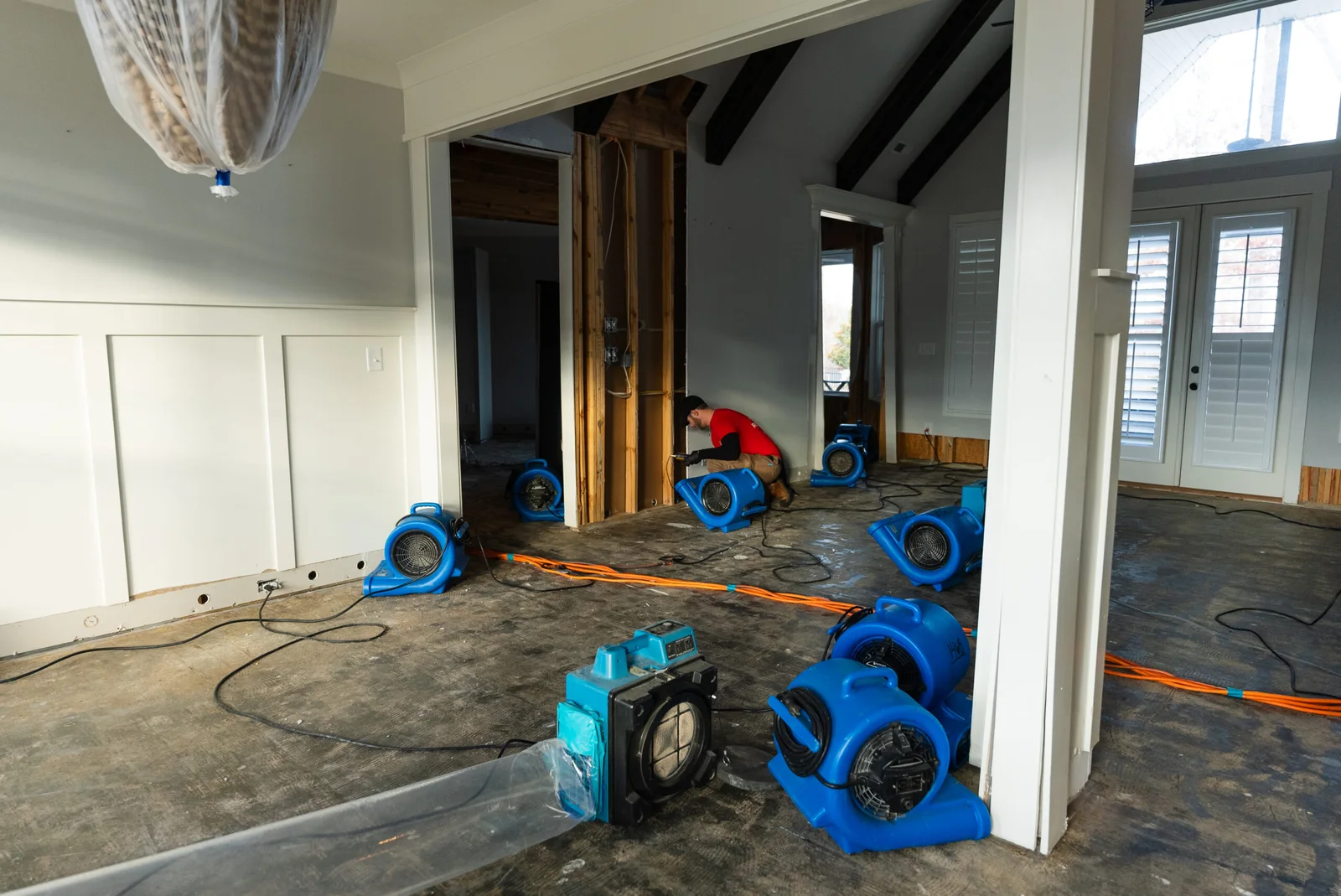
Restoration companies are the correct first call for anything involving moisture, mold, or contamination. They are trained, certified, and equipped to handle emergencies safely and according to industry standards.
What Restoration Companies Actually Do
Restoration professionals handle:
- Emergency water extraction
- Structural drying
- Moisture mapping
- Mold remediation
- Sewage cleanup
- Containment & HEPA filtration
- Controlled demolition
- Insurance documentation
- Direct communication with adjusters
They follow IICRC standards, which protect the home, the occupants, and the claim.
What Restoration Companies Cannot Do
They typically do not:
- Perform mold testing (unless partnering with a third party)
- Conduct real estate inspections
- Handle cosmetic repairs unless they have a reconstruction division
Their focus is mitigation, not general home evaluation.
When Idaho Homeowners Should Call a Restoration Company
- Water damage
- Visible mold
- Sewage backup
- Crawlspace moisture
- Ice dams
- Storm damage
- Insurance claims
If moisture is involved, a restoration company is the correct first call, not an inspector, not a handyman.
Who Should You Call First? (Simple Decision Guide)
- If you see water damage → Call a restoration company
- If you see visible mold → Call a restoration company
- If you suspect mold but don’t see it → Call a mold inspector
- If you’re buying or selling a home → Call a home inspector
- If you need small repairs after mitigation → Call a handyman
Why Idaho Homeowners Choose Restoration Pro First
Restoration Pro has worked since 2008 and provides:
- Fast response throughout the Treasure Valley
- Moisture‑first remediation strategies
- Accurate documentation for insurance claims
- Clear communication with adjusters
- Transparent, professional service
If you’re dealing with water damage, mold, or moisture concerns, Restoration Pro is the correct first call.
Contact Restoration Pro at (208) 922‑8741.
Call (208) 922-8741 for Immediate Help